

Vegan Fugazza
Ingredients
Dough
4 cups (500g) flour
1.5 cups (350ml)
2 tsps (or one packet) yeast
3 tbsp olive oil
2 cups (500ml) water
Toppings
3-4 onions
1/2 cup (90g) sliced green olives
Olive oil
Dried basil
Fresh basil (optional)
Vegan mozzarella (optional)
Instructions
-
Add yeast to 1 cup (235ml) of warm water.
-
Mix flour and olive oil in a bowl. Gradually add in the yeast water, mixing continuously.
-
Add the remaining water in, and knead the dough until smooth. The dough should be smooth, soft, and not too sticky. If it feels too dry, add more water. If it feels too sticky, add more flour.
-
Cover and set aside to rise. Ideally, the dough should double in size, which may take between 30-45 minutes.
-
Preheat the oven to 425F (220C).
-
While the dough is rising, prepare your onions. Heat enough olive oil to make a bath for the onions over medium heat.
-
Slice the onions into rings and add them to the oil bath. Let cook over medium heat until they become soft and yellow, about ten minutes.
-
Slice olives.
-
Once the dough has risen, lightly oil a baking sheet. Flatten the dough on the sheet, making it as even as possible.
-
Lightly oil the top of the dough, and add basil.
-
Add the onions and olives to the dough, creating a layer of onions with olives on top. Add vegan mozzarella, if using.
-
Bake until golden brown, about 10-15 minutes.
-
Add fresh basil, if using, and serve.
A longer and more detailed description
The first cooking step in today’s adventure is to make a fluffy, bready base for our onion pizza. Add your yeast to a cup of warm water and let it have a think about all the delightful wheat it’s about to eat. While it’s having a think, mix your olive oil in with the flour to create a crumbly dough. Slowly add the yeasty water to this, mixing throughout. If you dump all the water in all at once, your dough will be too sticky, and you may have to start again, so don’t do that, especially if your flour is limited, and you’re faced with the prospect of making sticky dough work or having to go out to the grocery store for more flour.
Not that that happened, mind you. I’m just looking out for your interests.
Once the yeasty water is mixed in, add the rest of the water, kneading the dough until it is soft, fluffy, and a little bit sticky. If it’s too sticky, panic add some flour. If it’s too dry, add more water. This is basically a chemistry experiment, except nothing changes colours, and you eat the product at the end, and it’s basically random as to how much of each ingredient you need. SCIENCE.
Once your dough is in a suitably dough-y state, cover it and set it aside to rise. Ideally, it will rise to double its volume in your bowl, which will likely take between 30 and 45 minutes. If it doesn’t do this, panic don’t worry. Your dough is still usable, but will just be a bit denser than usual. You will be fed. There is something yummy on the other end of this.
While the dough is rising, preheat the oven to 425F (220C). When you do this during the rising process is up to you, your oven, and the gods of cooking, but just make sure it’s ready when your dough is. Dough waits for no one.
This dough-rising time is also the perfect time to prepare the onions, unless you want to make things more complicated for yourself, in which case, prepare the onions after you’ve baked the dough and see how that turns out for you. Put enough oil in a pan to fully cover the bottom of the pan, but not so much that you’re deep frying the onions. Heat the oil over medium heat. Slice your onions into rings and place them in the bath. The number of onions you use is entirely based on how much you like sweet onions and how big your baking sheet is. I made three onions, and found they didn’t cover the dough as much as I wanted them to. You ideally want them to create a full layer on the dough. Cook the onions on medium/medium-low heat until they’re golden and soft, about ten minutes.
Hopefully, your dough is now ready. Fret over it, peeking under the towel and debating if it’s risen enough. You could ask your partner to check it for you as well, and get impatient and frustrated when they emphasise they have no idea what they’re looking at, and then ask when dinner will be ready. Dinner will be ready when it’s ready, and that depends on if this dough has risen. Ultimately, feel free to decide that it has indeed risen sufficiently. You are, after all, also hungry, and what’s the worst that could happen?
Oil your baking sheet (or the foil on the baking sheet, if you’re like me, and never want to figure out how to wash a baking sheet) with a light layer of olive oil, then slam your dough on to the baking sheet. Spread the dough into the far corners of the baking sheet. Let it manifest destiny its way across the entire surface until there is nothing but fugazza as far as the eye can see. You will be the master of this dough. You will be the master of this baking sheet. Carpe that diem.
With the dough happily occupying the entire baking sheet, coat it with a light layer of olive oil and dried basil. Top it with your onions, then your olives. The onions, like the dough itself, should ideally cover as much of the dough as possible, but use what you have to make what you can.
With the dough now covered in onions and olives, I’ll do my grand reveal. See, this is not just a recipe for fugazza. Oh no. This recipe is a two-for-one. You currently have before you a fugazza, ready to be baked and, in a few short minutes, enjoyed. However, if you add your vegan mozzarella you will have transformed this humble fugazza into something new, something else, something different. With the addition of cheese, your fugazza becomes instead, a fugazzeta.
Mind blown, I know.
Decide whether you’re making a fugazza or a fugazzeta, then pop your creation into the oven. Bake until the crust is a lovely shade of golden brown, or until you think it’s close enough to count. Pull it out and top with fresh basil. Buen provecho!
Substitutions and suggestions
For the olives: Argentine pizza has a wide variety of potential toppings. I picked green olives here, both because I like them, and because I thought they’d pair nicely with the sweet onions (which they did). However, if olives aren’t your thing, I recommend looking further into the wide world of Argentine pizza toppings, if for no other reason than that it’s a fascinating look into the glorious diversity of pizza. This article and this article are great places to start, but just to give a taste (hah), Argentine pizza commonly includes green olives, basil, arugula, palm hearts, artichoke hearts, eggs, corn, peppers, tomatoes, and ham. You can top this with whatever you feel like, basically.
For the dried basil: This should probably be oregano. I didn’t have dried oregano, and I liked it with dried basil, but oregano is more authentic.
What I changed to make it vegan
Fugazza is naturally vegan already, being an onion and olive oil concoction. I ultimately made a fugazzeta, where I added vegan mozzarella instead of regular cheese.
A brief context for this dish
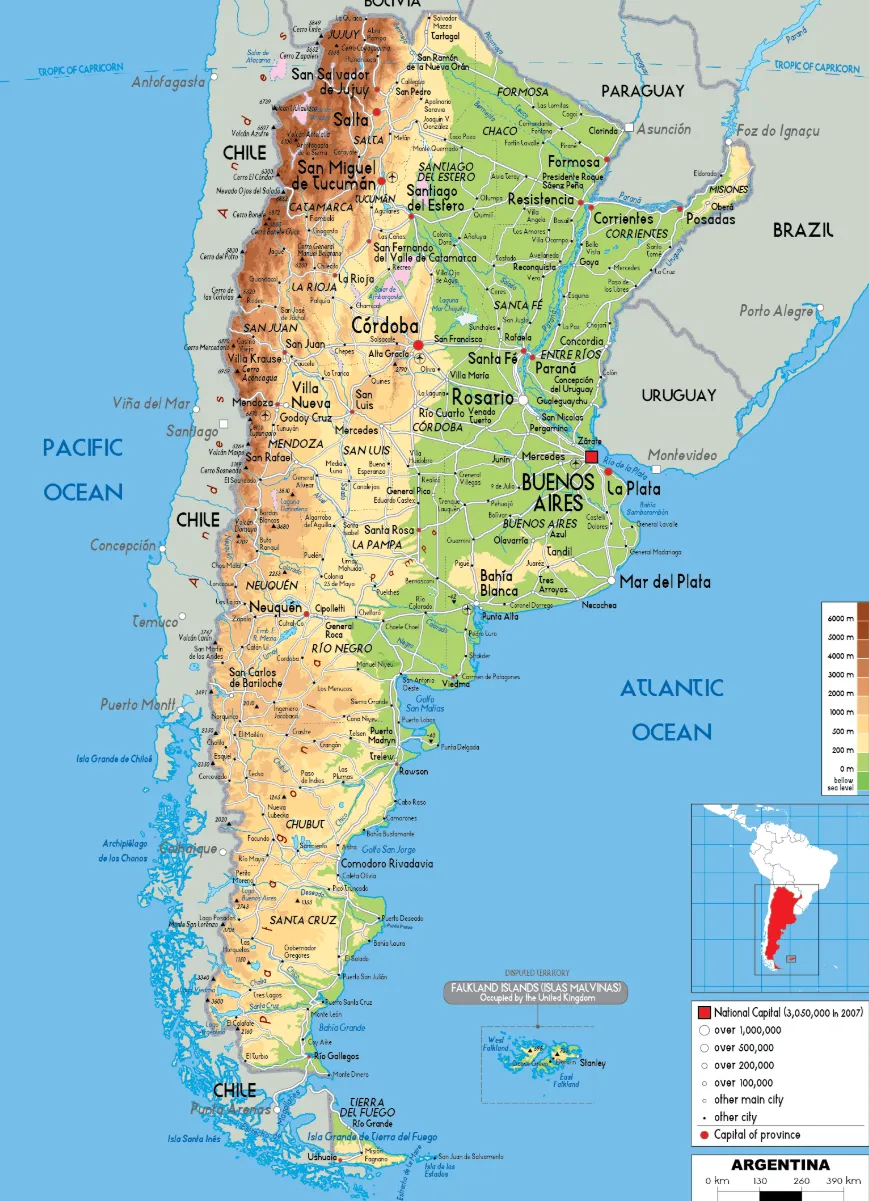
In researching this recipe and the context in which it was created, I found a quote from the 1853 Argentine Constitutional Convention that really stuck with me. It comes from Juan Bautista Alberdi, an Argentine jurist and author of Argentina’s 1853 constitution. It represents the political philosophy that undergirded Argentina throughout the 19th and early 20th centuries, and is the reason for the recipe we’ve made today. According to Alberdi, “to govern is to populate.” Following its independence from Spain, this is exactly the mantra Argentina followed in establishing its national identity.
Argentina, much like the United States, is a nation of immigrants. It is, in the words of Argentines themselves, a crisol de razas, or “crucible of races.” That idea of a crucible is not without its own colonialist problems, but it is to say that the ethnological history of Argentina is a complex one.
As an example, as of 2024, 97.5% of Argentines are considered ethnically European or Mestizo. However, within that, it’s estimated that half have at least one Indigenous ancestor, and over 60% are ethnically Italian. Argentina had the second highest rate of immigration until 1950, second only to the United States. Immigration to and from what is now Argentina has been occurring since the arrival of the first Indigenous peoples to South America. It is, in every sense of the word, a nation of immigrants.
That history of immigration reflects in Argentina’s cuisine. While the image that typically springs to mind of Argentine cuisine is that image of steakhouses and meat, that’s only one element of the vast complexity that is Argentine culinary identity. Spanish empanadas, German tortes, Indigenous yerba mate, and even Welsh teahouses make up important threads in the tapestry of Argentine cuisine.
Italian cuisine, however, makes up a massive portion of the Argentine culinary tradition, reflecting the size and influence of Italian immigration to Argentina. In the wake of its independence, Argentina established a liberal immigration policy and tried to attract immigrants from Europe into Argentina to help populate its vast frontier. Nearly half of the immigrants that arrived were Italian. These immigrants promptly influenced Argentina in a myriad of ways, fundamentally reshaping the country and its identity.
This reshaping, of course, includes food, with Italian food playing a larger and larger role in Argentine cuisine. Pastas are still important parts of Argentine cuisine, as are desserts and ice creams. A particular point of pride for Argentina, however, is its pizza.
Buenos Aires is the unofficial pizza capital of South America. One street - Corrientes - is so filled with pizza parlours that there are challenges to eat pizza at each and then decide which pizza is the best. Argentine pizzas are a point of pride for the country, and for Buenos Aires in particular.
The history of pizza in Argentina begins, of course, with Italian immigrants. The first documented pizzeria in Buenos Aires dates to 1882, when a Neapolitan immigrant named Nicolas Vaccarezza converted his bread oven into a pizza oven. He topped his Italian flatbreads with commonly available ingredients, such as tomatoes and cheese, and sold them out to a hungry public. The concept caught on, and soon, Italian bakeries throughout Buenos Aires were being converted into pizzerias.
This idea of pizza being made in a variety of ovens and using a variety of dishes reflects in the pizza culture and types of pizza found in Buenos Aires today. Pizzas take a variety of forms, from the de molde, or “moulded” pizzas that are pressed into a baking sheet, to media mase, or “half-dough” pizzas with a gooey crust, to parrilla, or pizza cooked on a grill. Argentine pizza is also generally slathered in cheese, as cheese was a readily available ingredient. Each cooking method reflects what 19th century pizza pioneers had available, with their toppings reflecting the unique shape of Argentine life.
The fugazza and its sibling, the fugazzeta, have a similar history, originating from an Italian bakery in the late 19th century. Unlike nearly all the foods I cover in this series, fugazza has a clear inventor and origin. Like many other Argentine pizzas, fugazza’s story begins in an Italian bakery. In 1893, a Genovese baker named Don Agustin Banchero began selling focaccias in the La Broca neighbourhood of Buenos Aires. One origin story of the fugazza is that, as he was doing this, his son, Juan, ruined a batch and decided to stuff it with cheese to try to salvage it. What I find more likely, though, is that Banchero sold excellent focaccias, allowing him to open a bigger bakery, and to cover those focaccias with cheese. In 1932, his son, Juan, opened a pizzeria with his sons, selling the familiar, cheese-slathered version of the fugazza and fugazzeta that we know today. It became one pizza in a sea of pizzas, but a successful one, and one that still finds its home in Pizzeria Banchero. You can even still visit Pizzeria Banchero and try an authentic, original fugazza, albeit not a vegan one. It has become a staple of the Buenos Aires pizza scene.
As much as I enjoy tracking down the obscure histories of food, there is also something unquestionably wonderful about being able to point to an individual as the inventor of a particular food, and be able to track what it means, both for the culinary tradition from which it stems, and that person and their family more generally. Pizza is clearly part of the Banchero family identity, but equally, they are now an indelible part of the story of Argentine cuisine, and by extension, Argentina more generally. It is a land and a culture shaped by those who arrived and helped forge it, populating it with pizza.