

Vegan Ghormeh Sabzi
Ingredients
8.5 cups (250g) spinach, roughly chopped
2 cups (50g) fresh parsley, chopped
1 cup (25g) fresh chives, chopped
1 cup (25g) fresh cilantro, chopped
8 stalks celery, chopped
1 can kidney beans, drained
1 onion, sliced into crescents
1/2 cup mushrooms, chopped
1 potato, cut into thin slices
1 tomato, cubed
1.5 cups (350ml) vegetable broth
2 tbsp fenugreek powder
1 tbsp cumin
1 tsp rosemary
8 tbsp lime juice
Salt
Instructions
- In a pan over medium heat, gently saute the onion slices until translucent (~3-5 minutes).
- Add all herbs and spinach. Cook until the greens reduce.
- Pour all vegetables and onions into a large pot. Add the vegetable broth, kidney beans, mushrooms, and celery, and bring to a boil. Once boiling, add fenugreek and cumin, then reduce to a low simmer. Let simmer for at least 1 hour (but the longer, the better).
- Once the ghormeh sabzi is almost ready, heat oil in a pan over medium heat. Add the potato slices, garnishing with rosemary. Fry until brown and crispy on both sides (~5 minutes).
- Add the potatoes, tomatoes, and lime juice to the ghormeh sabzi. Let cook another ten minutes, then serve.
A longer and more detailed description
Some foods are quick, and others are an all-day affair. But ultimately, they’re all worth it, right? Of course they are, and ghormeh sabzi especially.
This is a dish that takes a while, so I recommend cooking it while you’re prepared to be assailed with its delicate aroma for hours. Start by doing the same thing we always do of cooking an onion until it’s edible (though without its garlic friend this time). Add in your spinach and herbs, and cook everything until it’s nice and glummy. Toss all of this into a soup pot, add some broth, celery, beans, mushrooms, and spices, and wait. Wait for a long time. The longer the ghormeh sabzi sits, the better, as it gives all the flavours time to mature and mingle in the pot. Will they start stock portfolios? Invest in property? Despair at the thought of retirement? Your ghormeh sabzi is going through some things in that pot, and that’s exactly what we want.
Once you get tired of waiting, fry potato slices and toss those and tomatoes into your pot of existential dread. Let that cook for another few, tantalising moments, and then, at long last, serve with either bread or rice. !نوش جان
Substitutions and suggestions
For the spinach: There are many, many variations on ghormeh sabzi and what specifically is supposed to go into it. Any green you’re fond of can go in here - the point of ghormeh sabzi is to be an herby, leafy stew. Feel free to substitute in kale, mustard greens, turnip greens, anything you like here. The stew is yours to make as you see fit. Similarly, any herbs you feel fit in here - especially fresh fenugreek leaves - will fit. Be creative!
For the tomatoes and potatoes: These are not generally added in ghormeh sabzi, so if you want a more traditional experience, leave these out. However, I think they add a nice dash of flavour and texture.
For the lime juice: Ghormeh sabzi is generally made with black limes simmering in the herbs during the cooking process. I couldn’t find black limes, and so dumped a ton of lime juice in instead. However, if you find the black limes, use those. They’re tasty.
What I changed to make it vegan
While it is an herb and greens stew, ghormeh sabzi is also generally made with lamb or beef. I left those out, but rather than just substituting, I added some of the diversity of flavour and texture by adding in mushrooms, potatoes, and tomatoes.
What to listen to while you make this
One of the more fascinating musicians I came across while listening to Iranian music was Hichkas. One of the pioneers of Iranian hiphop, he has consistently protested against the Iranian government in his music, while also uplifting other artists - including female artists - and using his platform to spread global awareness of what it means to be an artist in Iran, and the difference the internet has made to Iranian culture. His music is phenomenal, and I recommend learning more about him and his work more generally as well.
A brief context for this dish
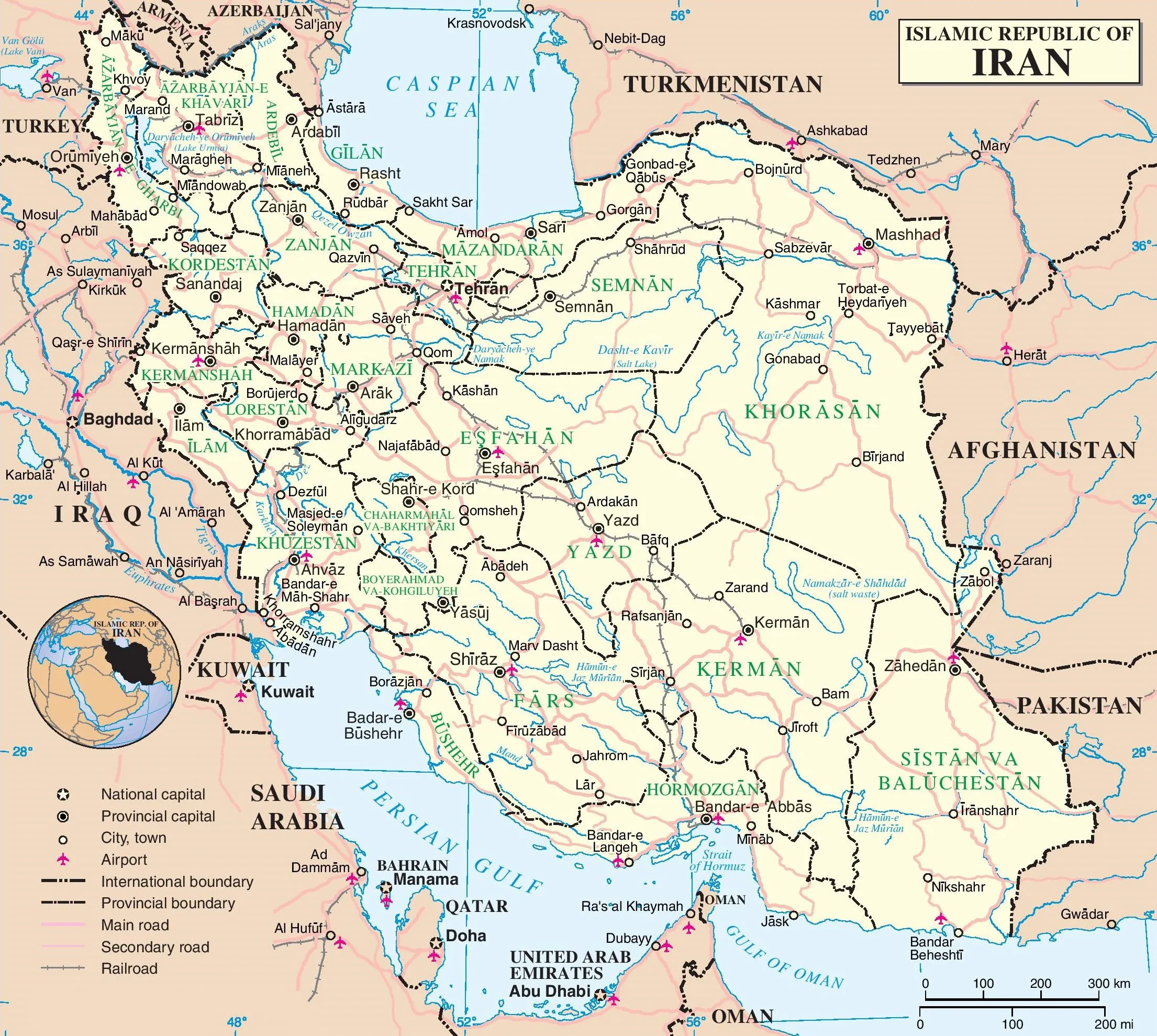
I’m going to confess something. Part of why this recipe may not look like traditional ghormeh sabzi recipes is because the research I did for this is a bit different than what I usually do. Ghormeh sabzi, much like last week’s nasi goreng, ghormeh sabzi is a dish I am very familiar with and that I have cooked many times. It’s my version of this dish in a way that isn’t always true of the dishes I make for the first time for this series. This is a dish I know intimately, that is part of my traditions, and which I continue to make every year for Nowruz.
Hence the potatoes and tomatoes. I know what I like.
That I am so familiar with ghormeh sabzi and Nowruz despite not being Persian is perhaps more of a statement about me and who I am than it is about the dish itself. While ghormeh sabzi is the national dish of Iran, and while it is deeply meaningful to the vast Iranian and Central Asian diaspora, it is also meaningful to me, and making it carries with it a surge of emotions.
I am an ex-Baha’i, and through that relationship with a faith I no longer follow, ghormeh sabzi also brought an entire world of tradition to me.
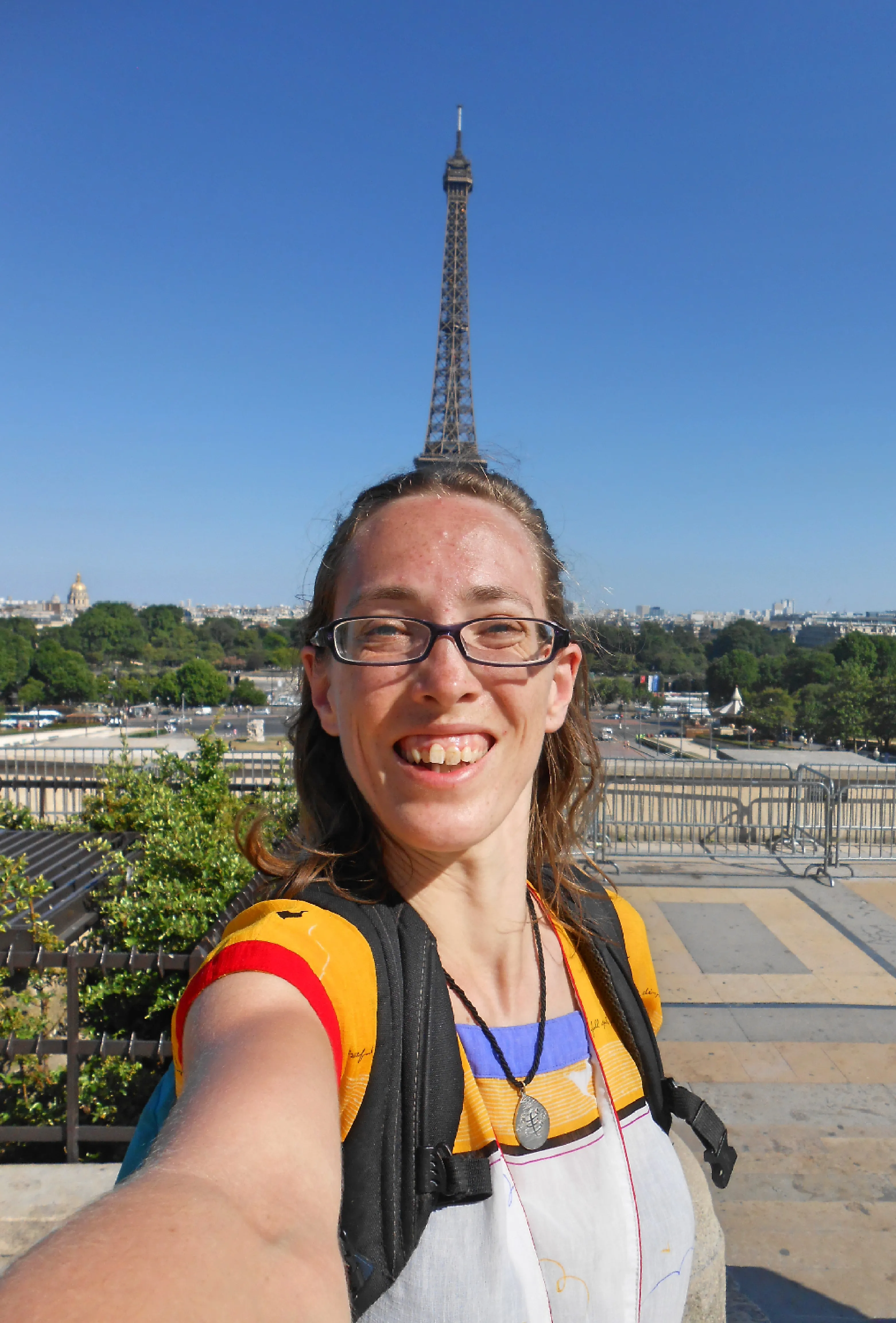 A photo of the author, sunburned and with a tower sticking out of her head, ostensibly meant to demonstrate she was, at one point, a Baha'i because of the ringstone amulet she used to wear every day
Nowruz is an ancient holiday. Originating with the Zoroastrians around 500BCE, Nowruz is celebrated during the spring equinox. It is, both for the Zoroastrians and the people of central Asia more generally, a celebration of the end of winter and the beginning of a new year. It’s a time for renewal, contemplation, and a tossing out of the old. Houses are cleaned, seeds are strewn, and people celebrate the beginning of new life.
While ghormeh sabzi is made throughout the year, that it is an herb and vegetable stew links it with Nowruz. Much as the holiday is a celebration of growth and new beginnings, the herbs and greens that make up the stew are the herbs and greens growing in the newly sown gardens. Everything outside is becoming green, and it’s only fitting that the stew in the pot matches.
For Baha’is, however, Nawruz represents more than just the coming of spring and a new beginning. Nawruz falls at the end of the Baha’i Nineteen Day Fast, with the celebration being a time of contemplation of the old as well as a welcoming of the new. It is the first day of the Baha’i new year, a holy day, and day to be shared with the members of the community. For American Baha’is, Nawruz means a giant potluck, and, inevitably, the consumption of massive quantities of ghormeh sabzi.
Nawruz was - and to a certain extent, remains - one of my favourite days of the year. The Nineteen Day Fast is meant to be a time of self-reflection, of quiet contemplation, and a recognition both of the previous year and of the good fortune each of us have. For nineteen days, Baha’is neither eat nor drink while the sun is up.
For me, this meant waking up early, stuffing myself silly, and then making my way through the day, contemplating what it is to be hungry and what it is to be without. I’d pair this with volunteering - sometimes with other Baha’is, sometimes on my own - and trying to make my community a better place, ignoring my stomach grumbling while I wrangled children or handed out food to the needy. One of the principle teaching of the Baha’i faith is that it is our divine mandate to care for those with fewer means than ourselves, and so I went out and did what I could to help. I learned what it was to go without, and tried to alleviate that for others as best I could.
By the time Nawruz arrived each year, I would be exhausted, dehydrated, and thinner than I had been before. I would also be lighter of spirit, happier, and ready to embrace the new year, confident in the fundamental good in all of us, and of the value I added to the world. Nawruz, to me, represented a new beginning, flush with the lessons of the old year and the long Fast, and brimming with all the potential of the world.
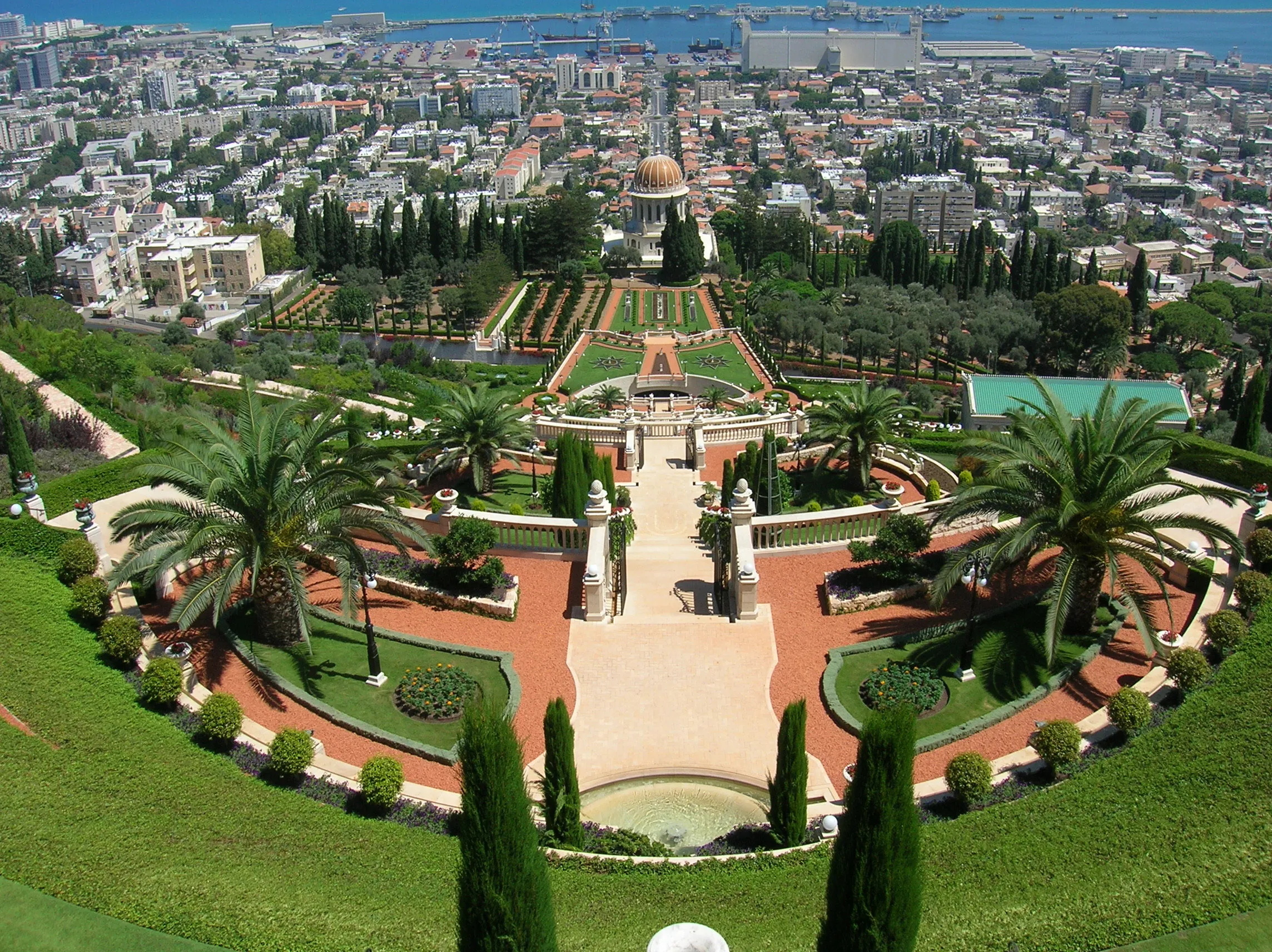 The Baha'i Gardens in Haifa, Israel
I am no longer a Baha’i. I no longer spend most of March staring at a clock and recognising how slowly time can move. I ceased to be a Baha’i when I could not longer justify the paradoxical nature of the Baha’i sacred texts claiming “love is light, no matter in what abode it dwelleth; and hate is darkness, no matter where it may make its nest” while also watching fellow members of the Baha’i community tell a gay child he’d “grow out of it” or “learn to be straight.” I could no longer reconcile “If the learned and worldly-wise men of this age were to allow mankind to inhale the fragrance of fellowship and love, every understanding heart would apprehend the meaning of true liberty, and discover the secret of undisturbed peace and absolute composure” with the reality that my partner was not allowed to attend the Nawruz celebrations with me. I stopped being okay with ignoring the many, many, many statements by Baha’u’llah, Abdu’l-Baha, and Shoghi Effendi that argued that, while I am spiritually equal and as worthy as a many, that equality comes through my “maternal instinct” and duty to raise the next generation.
Through the long, slow hours of the Fast, I considered my faith. I thought about the teachings of Baha’u’llah, what I believed and why I was doing this, and I better understood myself. Through the Nineteen Day Fast, I understood that the parts of the Baha’i faith I agreed with were not the parts I needed a faith structure to adhere to, and the parts I disagreed with were onerous enough to no longer be worth be associated with.
The Nawruz of 2021 was my last as a Baha’i. I spent the day, the house filling with the scent of a simmering ghormeh sabzi, my hand-written prayer cards being passed over and over in my hands, and I knew it was the last.
But I still mark Nowruz every year. I still take the time for contemplation, because that is still sacred.
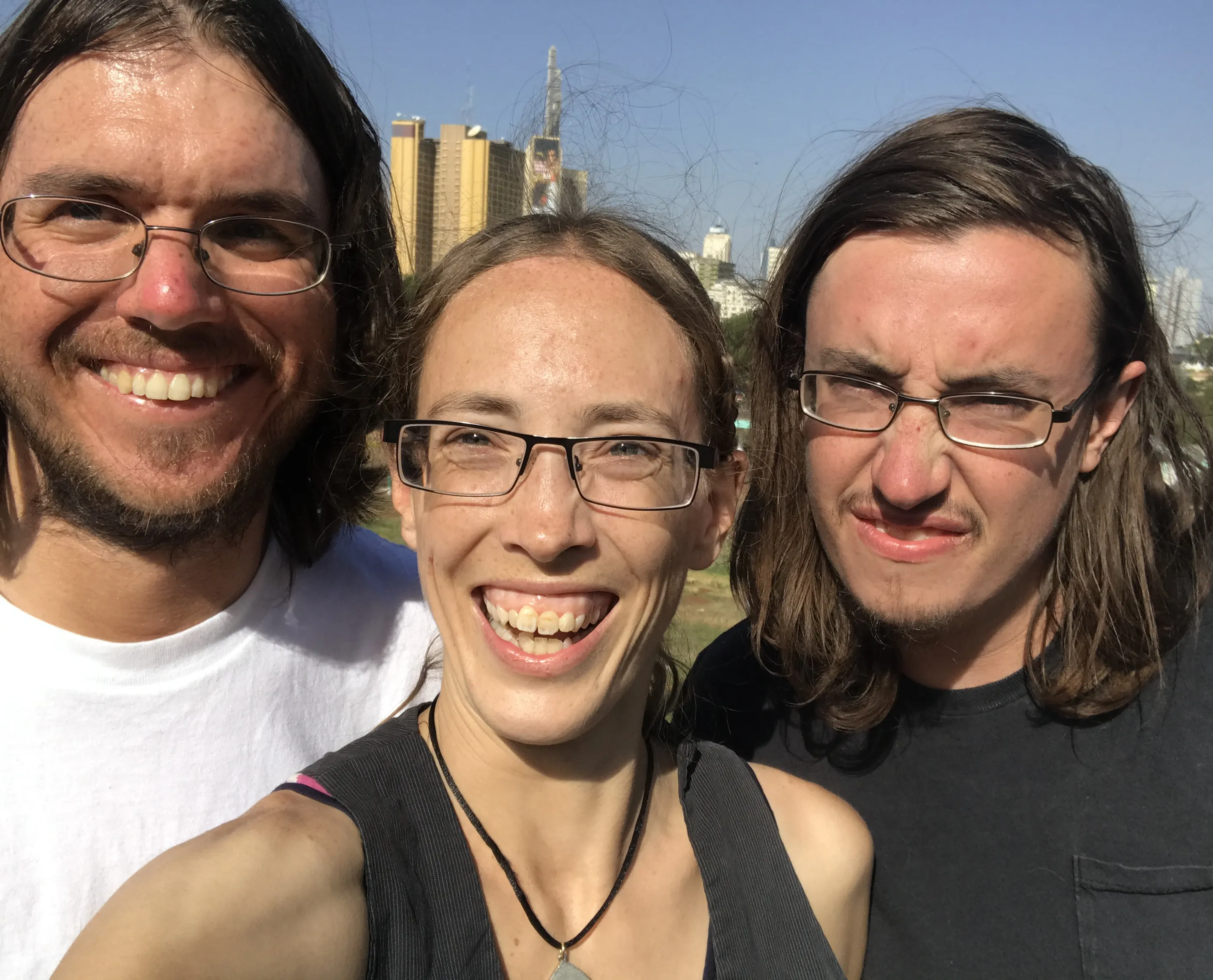 The author and her partners, both of whom she unapologetically loves, and both of whom are the lights of her life
When you make this recipe, then, moreso than other recipes I’ve posted, you’re making a dish that is truly mine. It is infused with years of emotion and thought and the long longing for a day to be done and a new one to begin. It’s a dish made of anticipation, of contemplation, and of joy. There are thousands of years of tradition behind ghormeh sabzi, and mine is one more story within that tapestry.
أَشْهَدُ يا إِلهِي بِأَنَّكَ خَلَقْتَنِيْ لِعِرْفانِكَ وَعِبادَتِكَ، أَشْهَدُ فِي هذا الْحِيْنِ بِعَجْزِيْ وَقُوَّتِكَ وَضَعْفِيْ وَاقْتِدارِكَ وَفَقْرِيْ وَغَنائِكَ، لا إِلهَ إِلاَّ أَنْتَ المُهَيْمِنُ القَيُّومُ.