

Vegan Guinness Pie
Ingredients
1 onion, diced
4 cloves garlic, minced
3 carrots, chopped
4 stalks celery, chopped
6 cups (660g) mushrooms, chopped
3 bay leaves
1 tbsp rosemary
1 tbsp thyme
2 tbsp Dijon mustard
2 tbsp syrup
1.5 tbsp soy sauce
3/4 cup (175ml) Guinness beer
Salt
Pepper
Puff pastry
Instructions
- Preheat oven to 350F (180C). \
- While the oven is heating, heat oil in a pan on medium heat. Saute the onion and garlic until translucent (5-7 minutes). \
- Add the carrots, celery, and mushrooms and heat until soft (5-7 minutes). \
- Add all herbs, spices, and sauces (including the beer), then mix. Once everything is combined, add the filling to a baking dish and cover with a layer of puff pastry. Brush the puff pastry with non-dairy milk, then pop in the oven for 30 minutes.
A longer and more detailed description
I’m not sure there’s anything more Irish than a pie made with a beer. While I’m aware I’m leaning hard into stereotypes, there’s still something deeply satisfying about looking at a bottle of beer, looking at a pile of vegetables, and deciding that these two should be friends. If vegetables cannot become beer, they will at least be bathed in beer.
And so, Guinness pie was born.
This is a pie, so start by preheating the oven to whatever the normal temperature for an oven is. I don’t know, I’ve been in celsius for so long that I have no idea what it is in fahrenheit anymore. Just do what feels right. It’ll be fine.
With your oven merrily preheating, do the thing we always do of sauteeing onions and garlic until they’re food. This time, though, dump in celery, carrots, and mushrooms on top of them, then slather them in herbs and “sauce” (read: beer). It doesn’t all have to be cooked thoroughly - this is, after all, why god invented convection ovens - but it should at least have a decent headstart on becoming roasty. Once a bit cooked, tip all the vegetables and their accompanying broth into a baking dish and pop it in the oven. Wander off to stare melancholically at the rain, humming a little ditty to yourself, and cursing the English. ‘Tis the Irish way.
Once this gets boring, your pie is probably done. Retrieve it from the oven and drink whatever remains of your beer. Mbaine tú sult!
Substitutions and suggestions
For the carrots - I found these purple carrots at my local farmers’ market! They were pretty good. If you happen to go to the same farmers’ market I do at the same time I do, try the purple carrots in this pie. They work great.
For the Guinness - If, like me, you are unable to find Guinness at a reasonable price, any dark stout will work. There is no need to change the name of the pie to “Idk random stout I found for cheap pie” unless you really want to.
For the puff pastry - I used puff pastry for this pie, but wasn’t entirely happy with how it turned out. If you’re so inclined, you might try making a pie top from scratch just to have something a bit thinner and less crispy.
For the sauce as a whole - If, while making your broth, you find it’s too bitter, feel free to add more syrup. The spices are yours to play with, and play with you shall.
For the mushrooms - I used the brown ones. White ones are also acceptable. Do not get the purple ones.
What I changed to make it vegan
Guinness Pie is ordinarily made with beef. I substituted in mushrooms because I enjoy mushrooms.
What to listen to while you make this
I have been a fan of Flogging Molly since high school, and I’m not about to stop now.
A brief context for this dish
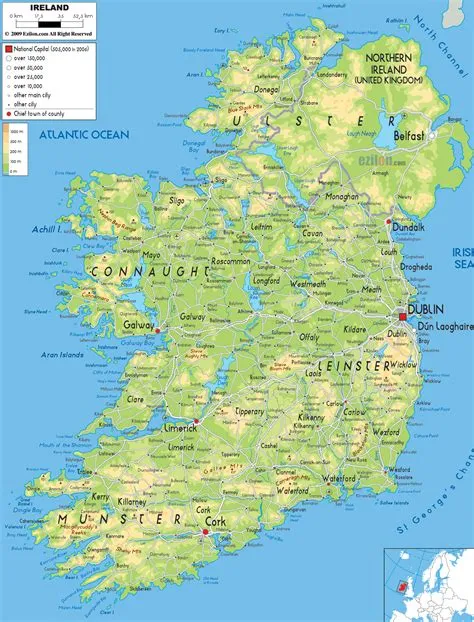
Irish cuisine is, like most cuisines, defined by what can be grown and harvested on the island. Coastal cuisines feature seafood and fish, while cabbage, bacon, and root vegetables - including, famously, potatoes - feature throughout. While the English conquest shifted Ireland towards wheat and potato production, pre-English cuisines included Norse influences alongside Gaelic favourites. Indeed, it’s from Norse sagas and their descriptions of the foods enslaved Irish people made that we have an idea of how old foods like sodabread are. Norse sagas describe Irish people kneading meal and butter together to make a medicinal polenta called minapak.
Despite the frequent changes and influences to Irish diets, however, one element has remained constant. The Irish, with their abundance of barley, have been brewing alcohol for a very, very long time.
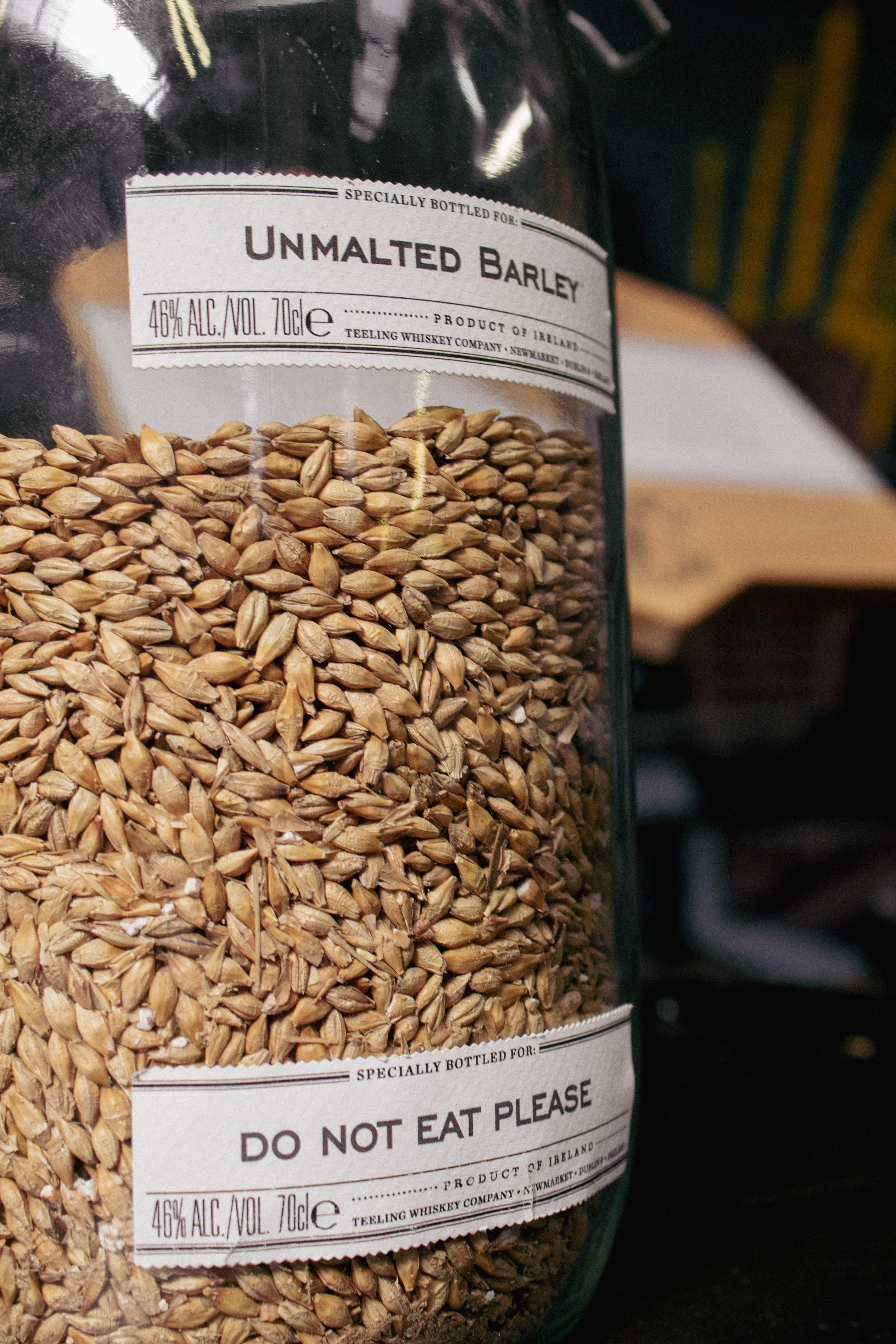 Source: Me. I took this picture on a trip to Dublin.
Evidence suggests that the Irish have been brewing alcohol since at least the Bronze Age, though since there is archaeological evidence of beer being brewed from over 12000 years ago, it is entirely possible that the original people arriving in Ireland did so with beer in one hand and bread in the other. Ancient people are, after all, people, and personally, I find that trekking is best done with a few beers under my belt.
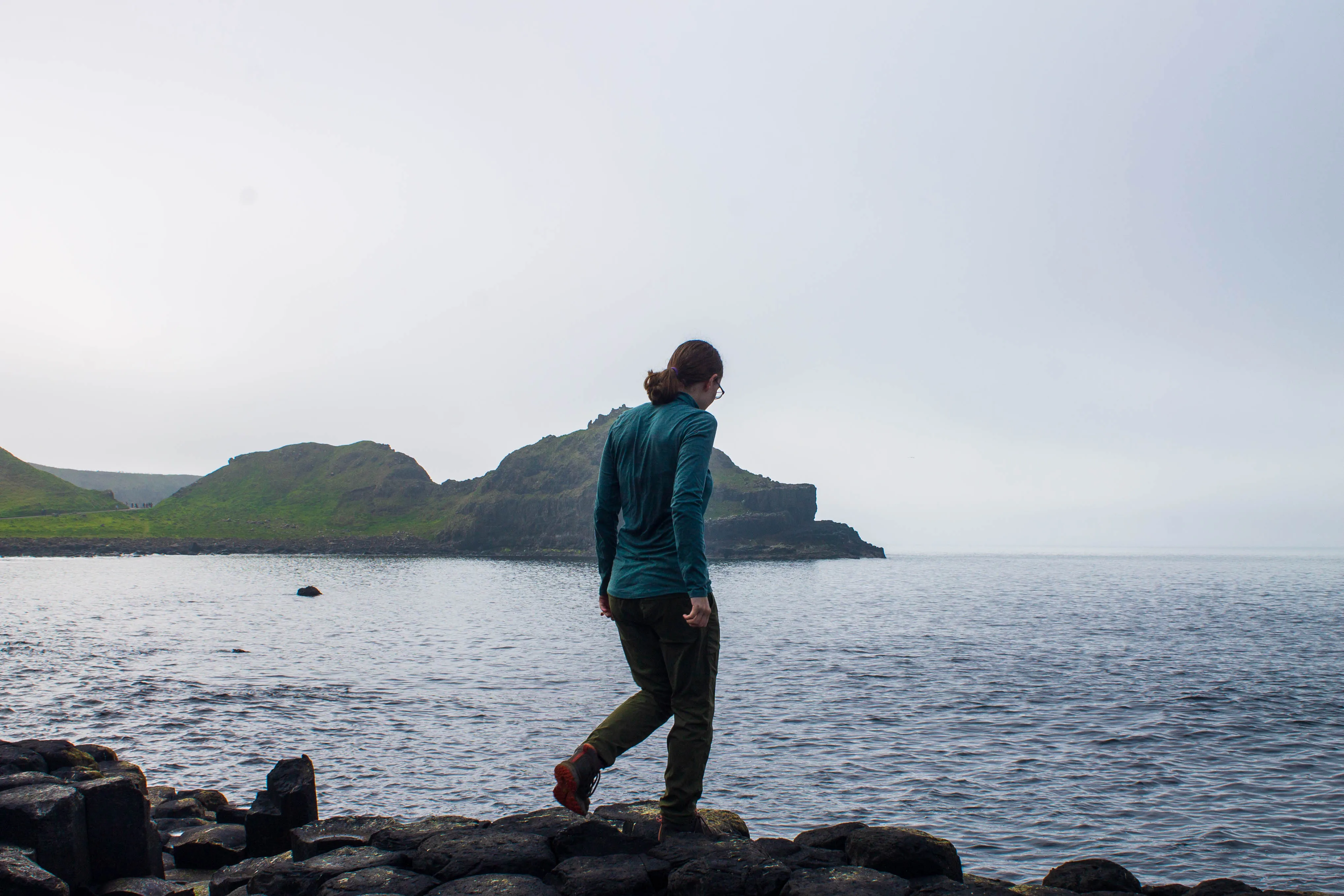 Please don't actually take my advice on anything. I am not a valid source of hiking advice.
There is, however, a difference between beer as we understand it and what has historically been brewed in Ireland. According to the many, many brewery tours I have been on, beer has three main ingredients - grain, water, and hops. Pre-English conquest Ireland was flush with the first two, but lacked the third, meaning that, while alcohol could be brewed in abundance, it would not be what we now consider to be beer. Instead, women - mainly lower class - and monks brewed ale in their homes, mixing fermented barley with water to create a bitter drink. Monks would then add herbs, creating gruit, while the alewives served the beverage as it was. The Irish alehouse was born.
Despite its bitter flavour, ale was immensely popular throughout Ireland. With water being unsafe to drink and milk only being available in calving season, ale presented an alternative that was easy to make at home and minimally alcoholic. The idea of brewing became a staple throughout Ireland.
Ale was not, however, the only alcohol brewed in Ireland. Starting around the 13th century, monks returning from their travels in southern Europe brought new brewing equipment. While it had most likely been used by the Moors to brew alcohol for medicinal purposes, the monks had other ideas. Dubbing their creation uisce beatha, Irish monks began brewing a strong, herbal liquor. By 1405, it was popular to the point that Irish documents recorded the head of a clan dying by drinking too much of it. Irish whiskey became a staple of life alongside ale, with distilleries springing up around the country.
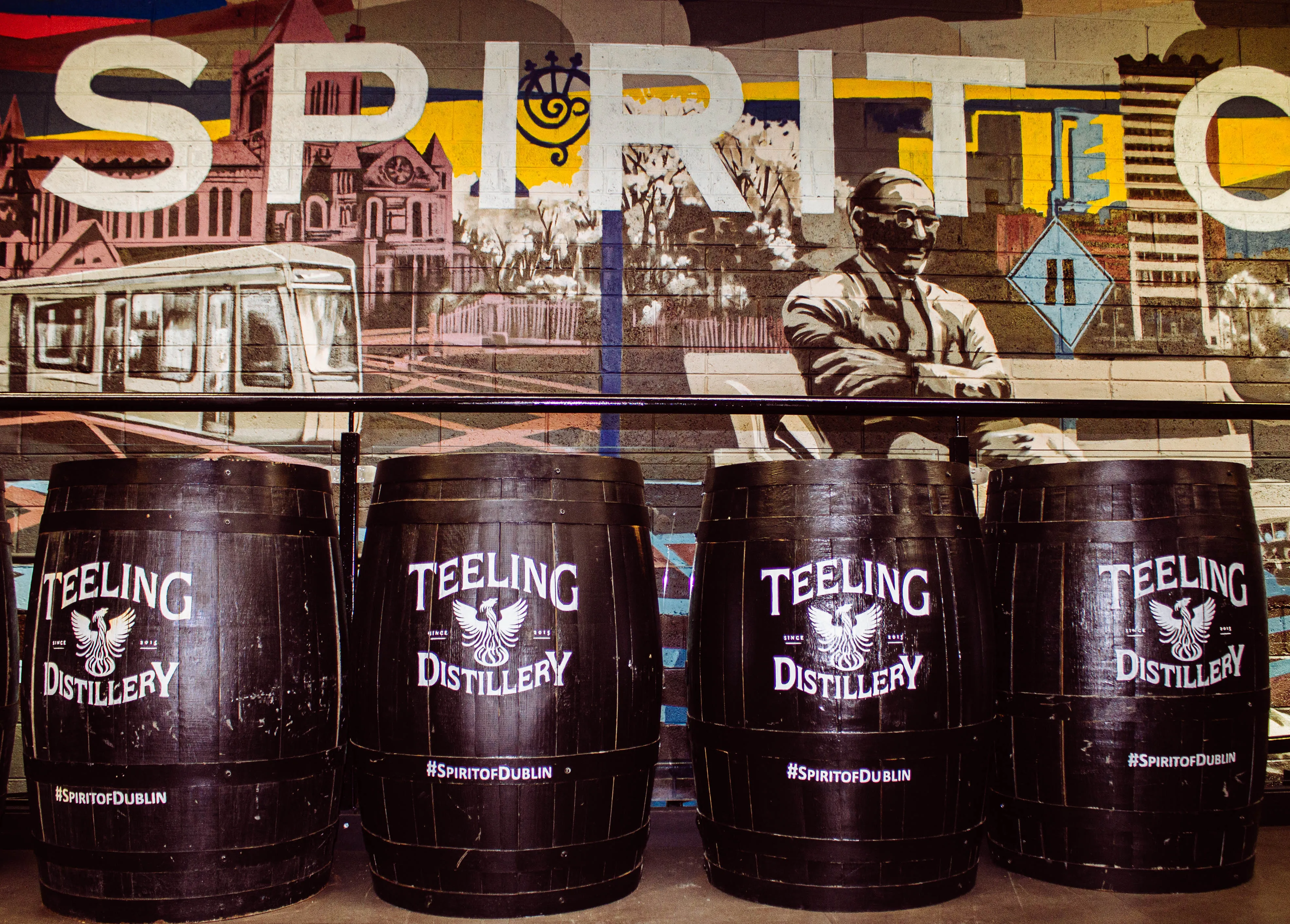 Source: Still me. I've tricked you into looking at my travel photos and I'm not sorry.
With the British conquest, however, the thriving homebrew industry for both whiskey and ale suffered. The British Parliament, believing whiskey and ale to be “a drink nothing profitable to be drunken daily and used” banned the distillation of any spirits by anyone without a license throughout Ireland. While this prohibition initially extended only to the areas controlled by the English, the effect resonated throughout Ireland. The need for registration paired with new taxes on whiskey decimated the production of both ale and whiskey. By the mid 19th century, Ireland had 28 whiskey distilleries, with that number dropping to two by the mid 20th century. Even today, the whiskey industry is still recovering, though there are an increasing number of whiskey distilleries in Ireland.
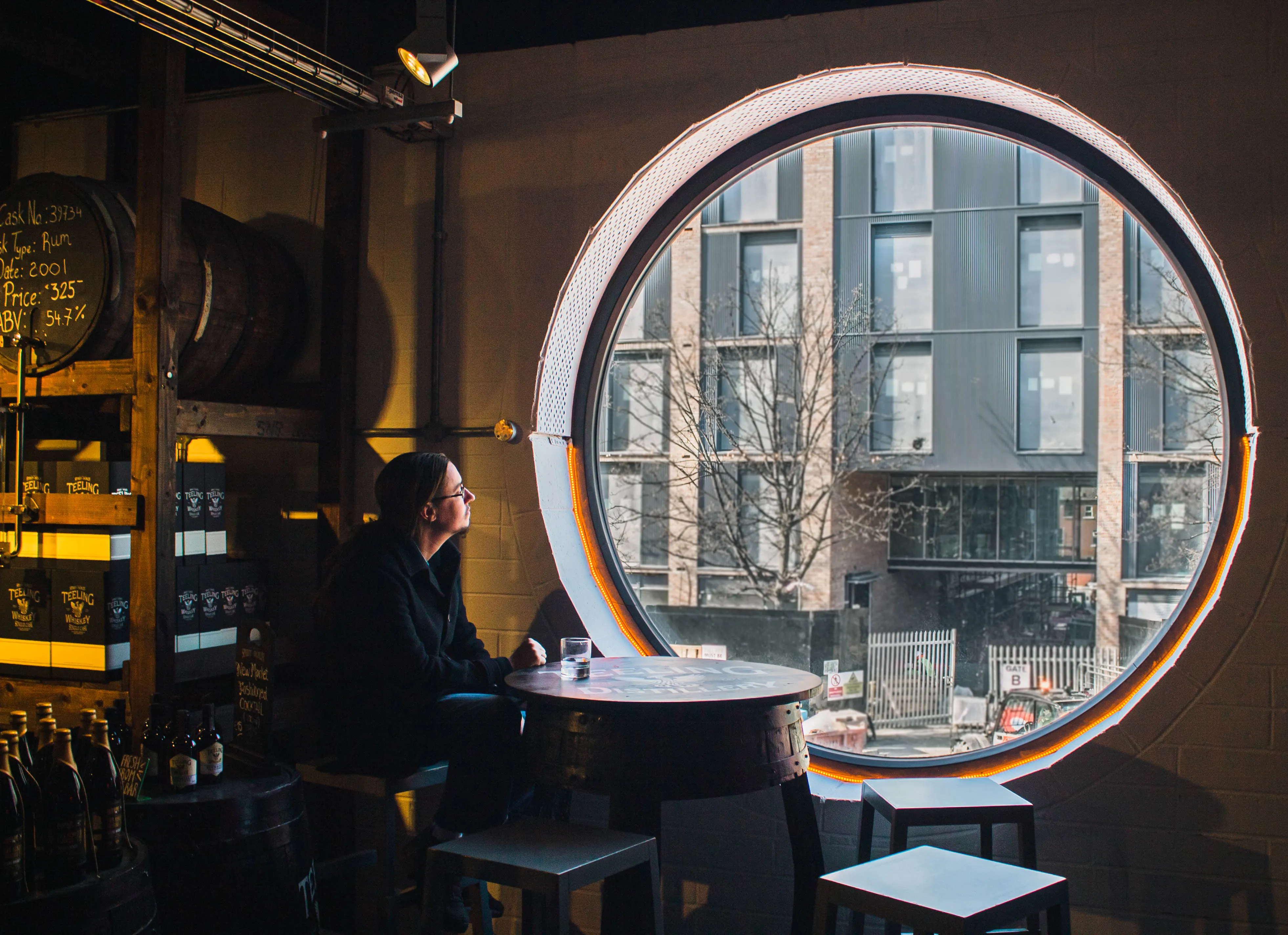 Source: Guess how much whiskey I drank while I was in Dublin.
One consequence of the decimation of homebrewed alcohol was a gap in the market for other alcohol. In 1759, Alec Guinness bought a brewery in Dublin, focusing first on the production of ale and then, with the introduction of hops into Ireland, beer. Though other breweries attempted to make beer as well, Guinness’ was well-positioned and successful enough to corner the market, forcing local breweries out of business. When paired with the limited number of licenses available for distilling and brewing, Guinness created a pseudo-monopoly, becoming the beer associated with Ireland. The excess beer was exported, creating a global reputation for Guinness as the beer of Ireland and solidly replacing whiskey as the drink associated with Ireland.
Though there is now a wider variety of beers and spirits in Ireland, Guinness’ reputation as an iconic part of Ireland remains. The idea of pairing beer with Ireland is a staple of stereotypes, rivalling only potatoes in its ubiquity. Beer, the product of colonisation as much as anything, has become one of the symbols of Ireland, and is, in many ways, a fair one. Ireland is shaped by its history of brewing as well as its history of brutal colonisation under British rule. Beer is a product of both, and it seems fitting to include it in the recipe for Ireland.