

Vegan Gulyas
Ingredients
1 onion, diced
5 cloves garlic, minced
1 can kidney beans, drained
1 bell pepper, chopped
2 carrots, chopped
3 stalks celery, chopped
3 cups (250g) potatoes, diced
2 tomatoes, chopped
1/2 cup mushrooms, chopped
2 tbsp vegan butter
5 cups (1.2l) vegetable broth
1/4 cup (35g) paprika
1 bay leaf
1 tsp cumin
1 tsp fennel seeds
1 tsp mustard seeds
1 tsp oregano
1 tsp soy sauce
1/2 tsp coriander
1/2 tsp anise
Salt
Pepper
Instructions
- Melt butter over medium heat in the bottom of a big soup pot. Once melted, add the onions and garlic and cook until translucent (~5-7 minutes).
- Add the bell pepper, celery, mushrooms, and tomatoes, and cook until soft (~4-5 minutes).
- Add all remaining vegetables, spices, and beans. Add the vegetable broth and bring to a boil.
- Lower the heat to medium, cover, and let cook for 30-40 minutes, or until the potatoes are soft.
A longer and more detailed description
It was inevitable I’d make gulyas as part of this project. It’s an iconic part of Hungarian cuisine, the food that everyone knows, and has a reputation of actually being spicy. Why would I not want to try my hand at it? And yes, I know it’s an intimidating list of ingredients, but the actual assembly is simple by design. We’re not in France anymore. We’re in the pastures of Hungary, and we are…hungry.
you can just call my stomach “budapest” because it’s the capitol of hungry
…i’ll stop
Let’s start by melting an unreasonable amount of butter in the bottom of an unreasonably large pot. Stare at it and, once it’s melted, dump onions and garlic on top of it. Let those cook until they seem sufficiently cooked, then add your soft vegetables and mushrooms. Let those soften up, then dump in the root vegetables, beans, and spices. Be careful here to dump your paprika in last as you really don’t want it to burn. However, if you dump the vegetable broth in quickly enough, your paprika won’t have time to think about burning. Be quick!
Bring the whole concoction to a boil, then lower to not-a-boil. Let it simmer for half an hour to forty minutes or so while you wander off to do something else. Could be anything. I stared out the window. Anything is acceptable.
After a bit, remember your dinner exists. Ladle it into bowls and serve. Jó étvágyat!
Substitutions and suggestions
For the paprika: Hungarian paprika is specifically spicy. While there is a special Hungarian paprika, if that’s difficult to acquire, a spicy paprika works as a good substitute.
For the fennel and mustard seeds: Gyulas is traditionally made (at least in some areas) with caraway seeds. I, however, did not have caraway seeds, and so chose to substitute in fennel and mustard instead. I really liked them, especially the fennel! It added a really nice burst of flavour that complimented everything else really well. You don’t have to use either of these, but I do recommend at least trying some combination of seeds.
When serving: Gyulas is traditionally served with a bit of sour cream or bread. I didn’t want sour cream and was out of bread, so I went without, but both are good options. You can also consider topping with sprigs of fresh herbs, like parsley or dill, if you want to be fancy.
What I changed to make it vegan
As I’ll discuss in the context section, this is traditionally a herders’ stew, meant to be easily cooked in a dried stomach and out of the cows being herded. I obviously did none of this. I made it in my kitchen with beans and mushrooms instead of beef, and in a pot.
What to listen to while you make this
For the span of about a decade or so in the mid-1800s, this man was considered to be one of the sexiest men in Europe:
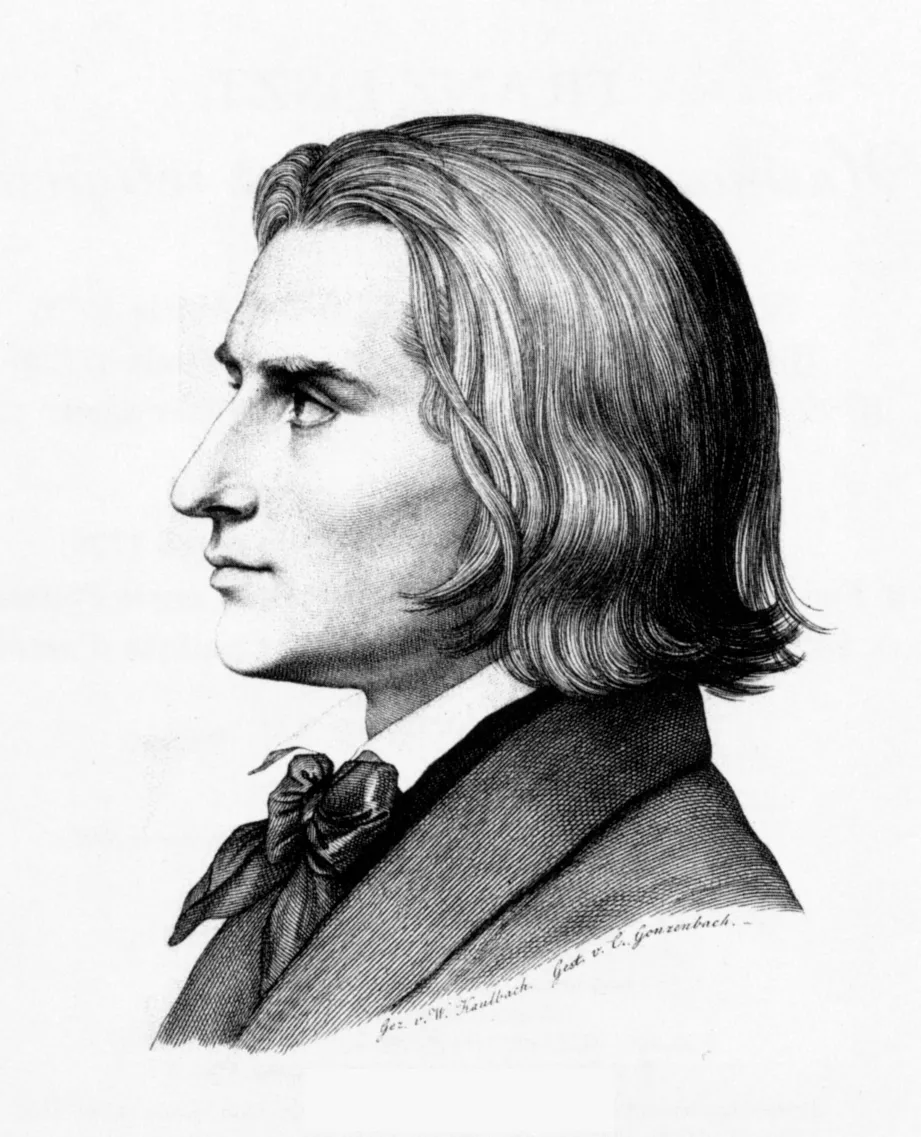
He now looks like this:

Less attractive, but his music is still good.
Also, not to go on too much of a tangent about Franz Liszt, but Hungarian Rhapsody is one of his performance pieces. Liszt had very large hands, which let him play combinations of notes other pianists could only dream of. He wrote pieces like Hungarian Rhapsody specifically because of how flashy and showy they let him be, and how much his fans adored watching him play them. He was also, it must be emphasised, a phenomenal pianist and performer. Later in life, he wrote much calmer, quieter, and more experimental pieces that are also staggeringly beautiful.
If you are not familiar with the work of Franz Liszt, he’s one of the best composers of the 19th century, and his work remains massively influential. I highly recommend checking it out.
A bit more context for this dish
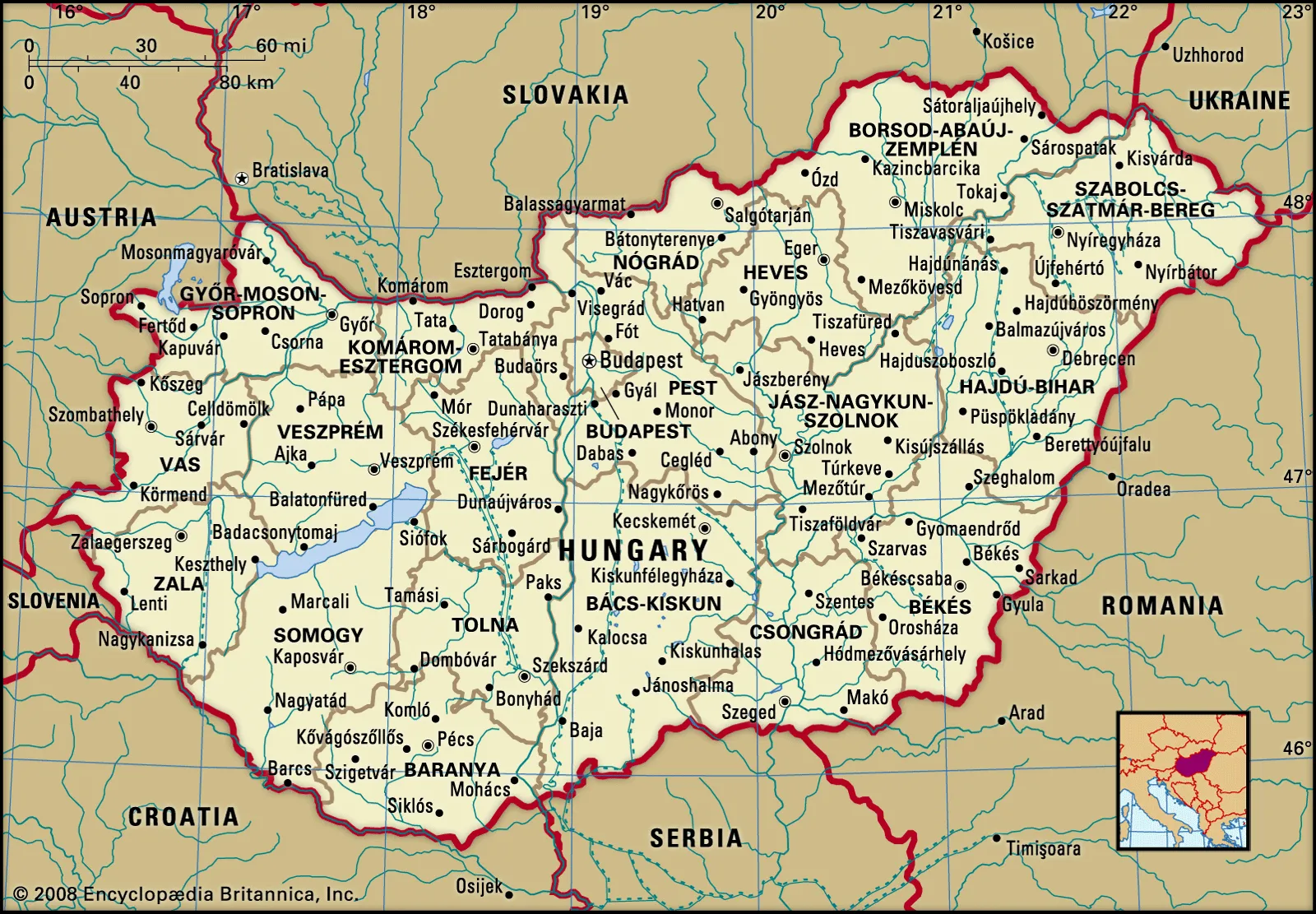
Hungarian cuisine has a reputation as the spiciest cuisine in Europe and, with its heavy use of paprika, it’s not hard to see why. Its stews, soups, and meats are flavoured with a wide variety of herbs, spices, and pickles, with bread being a frequent companion. While Hungarian cuisine has many similarities with the cuisine of the rest of central Europe, it is also very much its own unique entity with a unique history and set of influences.
The most well known part of Hungarian cuisine, however, is gulyas, and it, in many ways, reflects the broader history of Hungary as a whole.
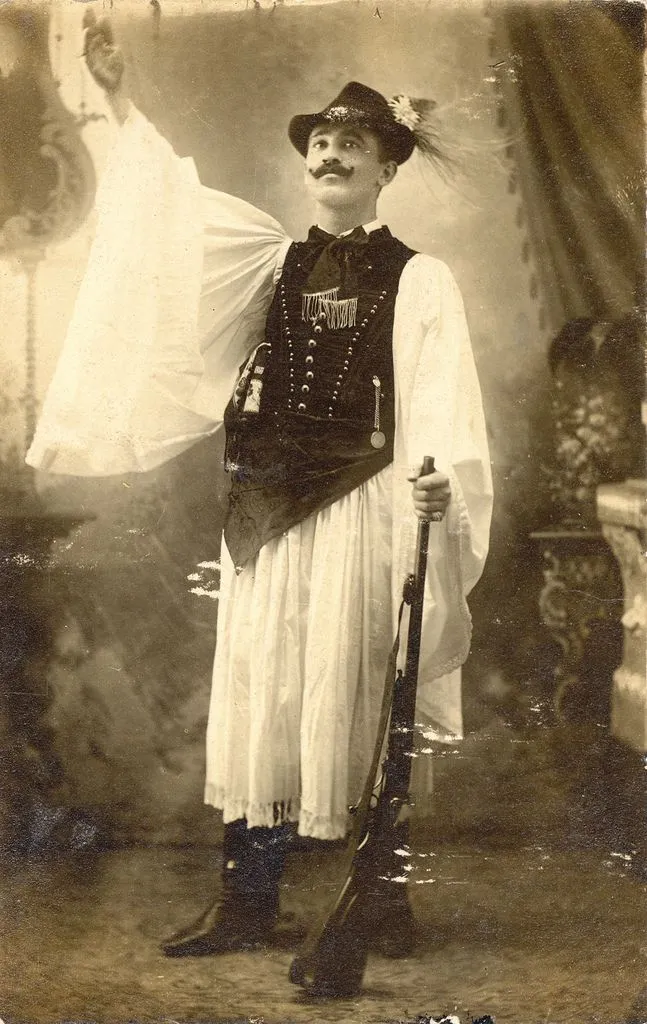 A Hungarian man in traditional dress, photographed sometime between 1901 and 1907 (Source: Flickriver.com)
Gulyas finds its roots in the vast Hungarian plains. Initially, it didn’t include its trademark paprika, that being a product of the Columbian Exchange.
 Map mentioned. DRINK
Instead, 10th century cattle herders roamed the plains with their herds, carrying with them a small cauldron and filling it with dried meat, onions, millet, and garlic. These ingredients were intended to be easy to cook - just light a fire and add water, and the stew would form itself. When cows died or were slaughtered, their meat could be added to the stew, but otherwise, it remained a soup formed of what was available and what would keep over the course of long cattle drives.
The very name “gulyas” (or “goulash,” in its Anglicised version) derives from these cow herder. “Gulya” is the Hungarian word for a herd of cattle, and “gulyas” remains the name not only for this stew, but for the cow herders themselves. With the introduction and mass cultivation of paprika by the end of the 18th century, these gulyas had the opportunity to add crushed dried peppers to their stew. This was further heightened by paprika becoming a symbol of Hungarian national resilience starting in 1879. The modern gulyas was born.
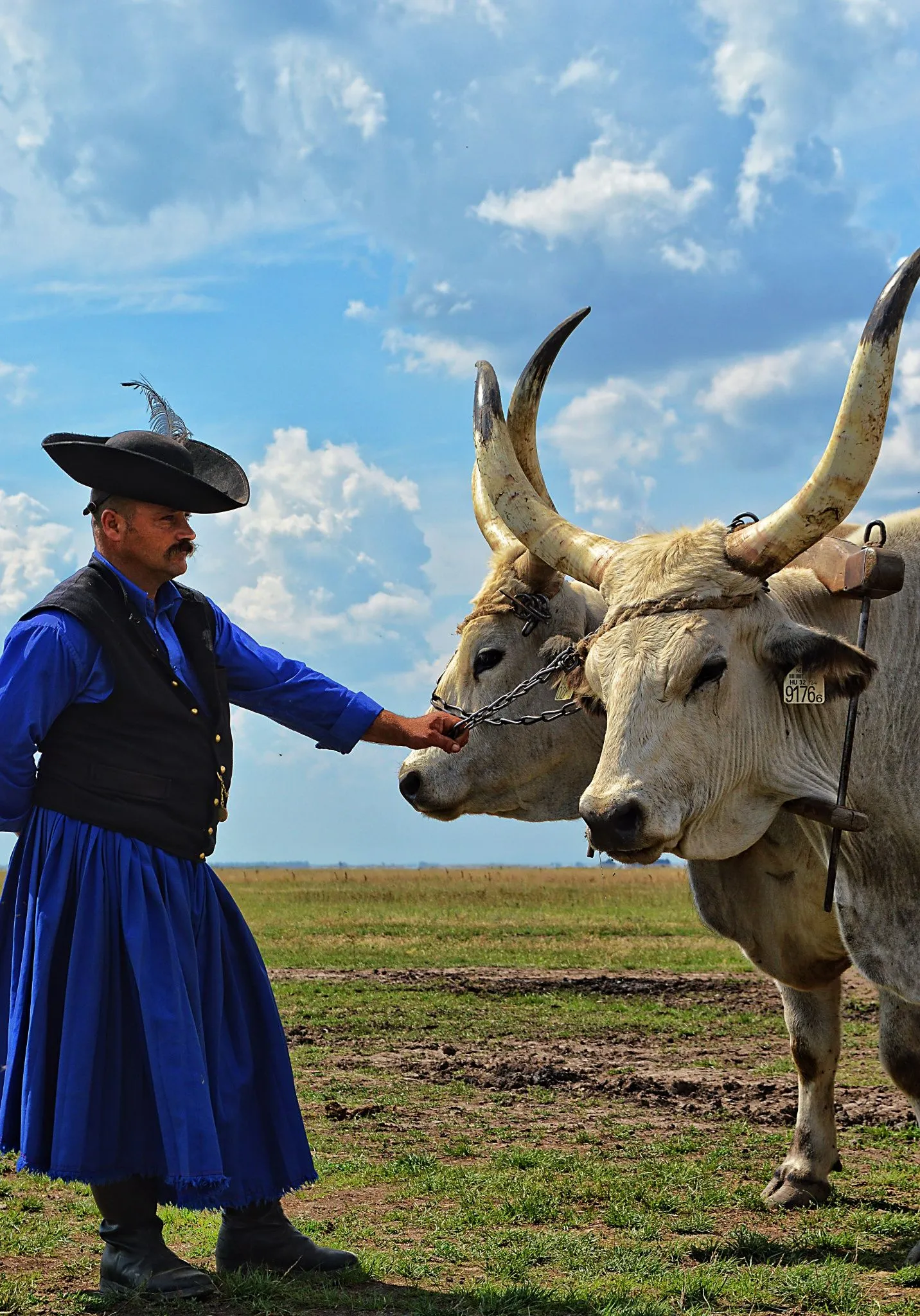 A Hungarian farmer in traditional clothing next to cows in traditional cow apparel
However, like with most peasant foods we’ve covered in this series, 18th century Hungarian high society was not replete with traditional dishes. Instead, the Hungarian elites dined on French cuisine. That gulyas is a symbol of Hungary is a product of 19th century Hungarian nationalism, resentment towards the Hapsburgs, and a desire for autonomy.
By the 1830s, gulyas became more and more present in the restaurants and kitchens of Hungary as a symbol of rising Hungarian nationalism. Writers wrote in Hungarian, artists painted Hungarian tableaus, traditional dress became more commonly seen, and gulyas filled the bellies of the masses. After a failed rebellion in 1848, it was adopted as the national food of Hungary and a symbol of its people. As Hungarian immigrants moved to North America, they brought gulyas with them, making it an indelible symbol of Hungary itself.
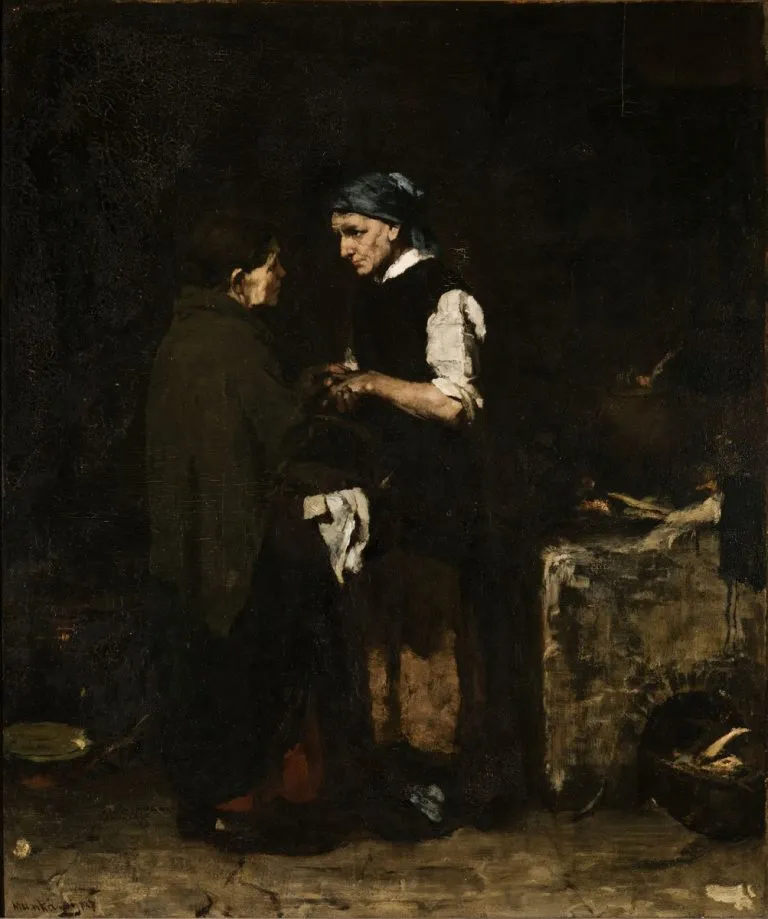 Farewell, by Mihaly Munkacsy (Source: Hungarian National Gallery)
Eating gulyas, then, is not only enjoying a tasty and unique stew. It’s participating in the centuries long tradition of people finding and assigning meaning to the world around them. What started as a pile of ingredients that were dinner because they were what was available became a symbol of the Hungarian people and Hungary itself.